Injection Molding
AL NAFAY is equipped to bring you injection molding technology in 3 US plants and 2 Canadian plants with a variety of cavity molds ranging from 1 to 96.
What is Injection Molding?
Melted or plasticized plastic material is injected into a mold where it is held until it is in a solid state, and then removed, duplicating the cavity of the mold. Resin enters the injection barrel from the hopper by gravity though the feed throat and heated to the appropriate melting temperature. If there are colorants they are introduced either in a premixed state or separately through color feeders. The resin is then injected into the mold by a reciprocating screw. This process is the most economical method for mass-producing a single item.
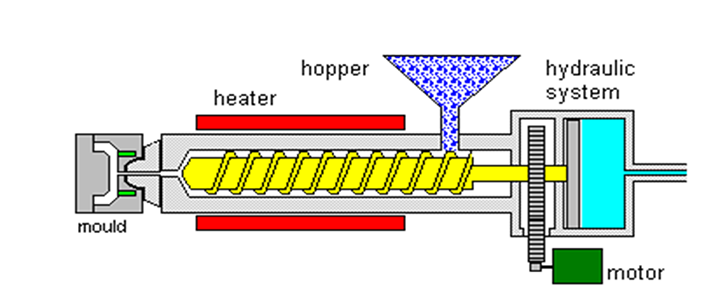
This technology is used to manufacture bottles, jars, and closures. The closures produced with this technology can be created both with and without child resistance. Injection Molding can produce a two shot over-molded closure. This particular closure provides both an improved grip and overall product appeal in addition to eliminating the need for assembly.

Advantages and Disadvantages of Injection Molding
|
Advantages
|
Disadvantages
|
|
High production rates
|
Higher equipment investment
|
|
High tolerances are repeatable
|
Running costs may be high
|
|
Wide range of materials can be used
|
Parts must be designed with molding consideration
|
|
Low labor costs
|
|
|
Minimal scrap losses
|
|
|
Little need to finish parts after molding
|
|